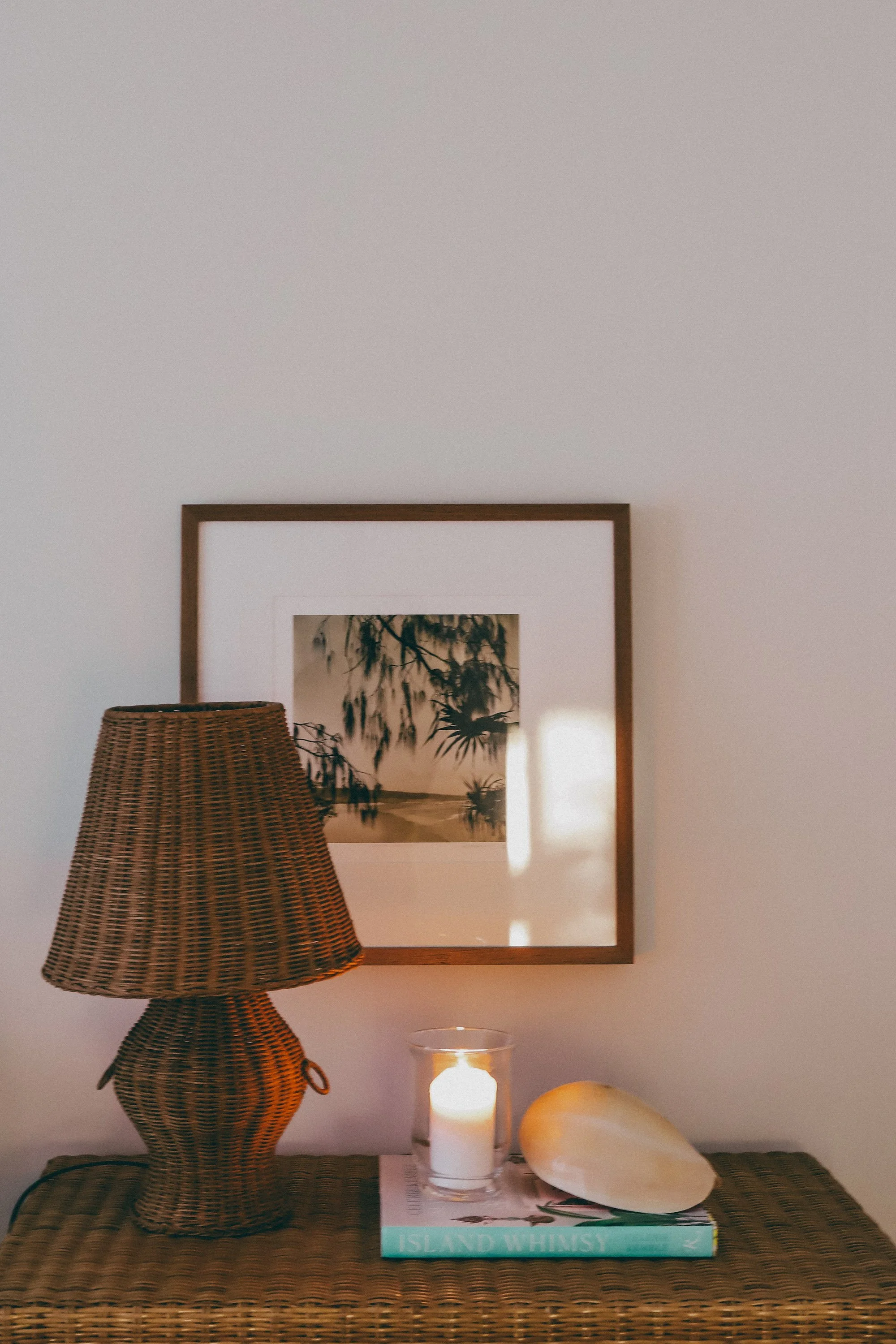
Winter Notes · Verandah Phillip Island
The Art of Wintering on Phillip Island.
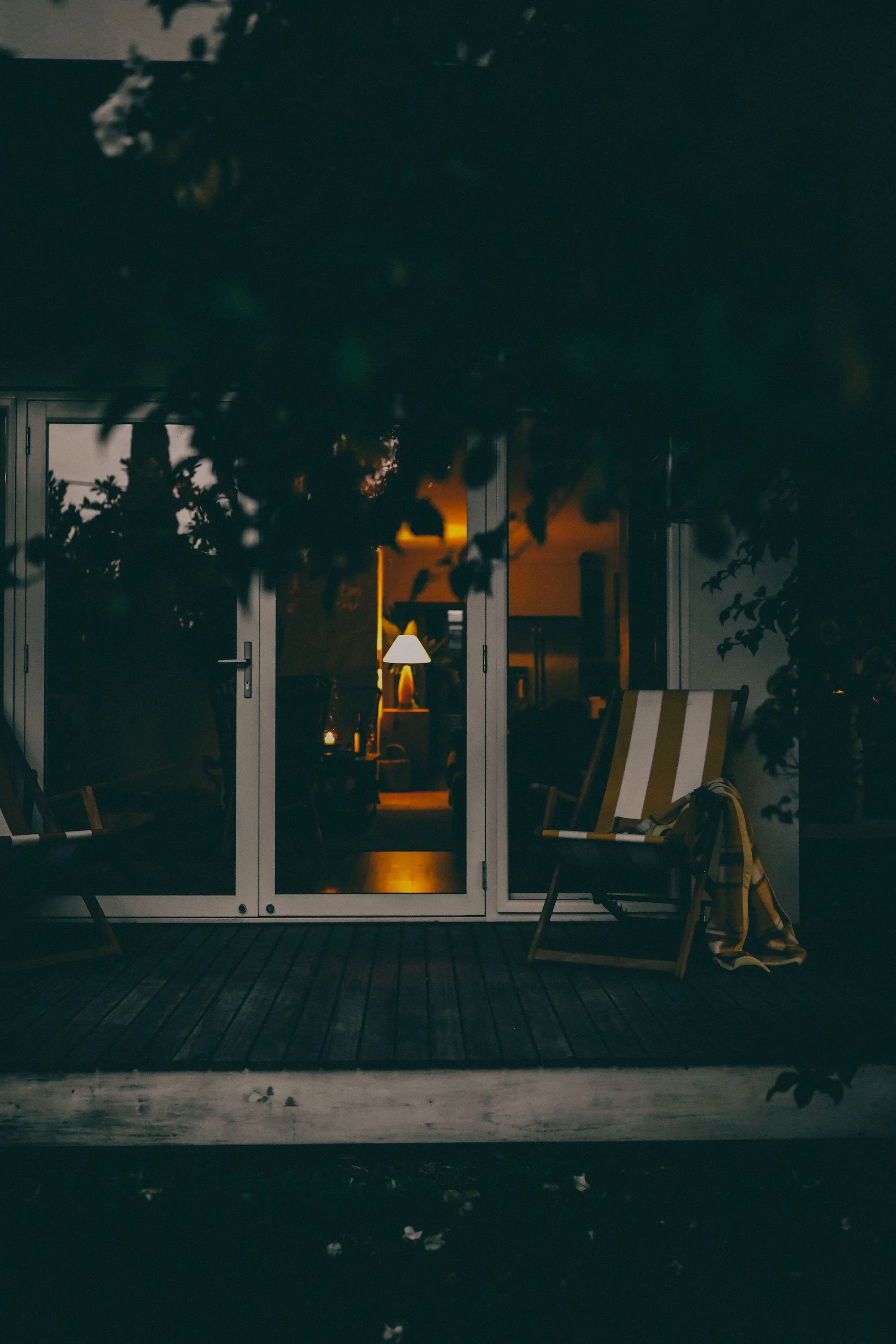
photography — @mandycouzens
There is another version of Phillip Island that appears when summer leaves.
Summer is beautiful here. Long days, warm light, beaches full of towels and sandy feet. The island is lively and generous and easy to love.
But winter feels different.
The beaches empty. The air sharpens. Mornings begin slowly, and by late afternoon there is smoke curling from chimneys. You notice the weather moving across the water. You walk further. Stay longer over lunch. Come home earlier and light the fire.
The quieter season
There is a tendency to think of the coast as somewhere for summer — and winter as the season to wait out, or escape north from.
We think the island might be at its loveliest when you don't.
Winter offers a different kind of time. Slower, quieter, a little more inward. The kind that leaves room to finish the book beside your bed, linger over breakfast, take a cold swim simply because the water is there, or spend an afternoon with nowhere you particularly need to be.
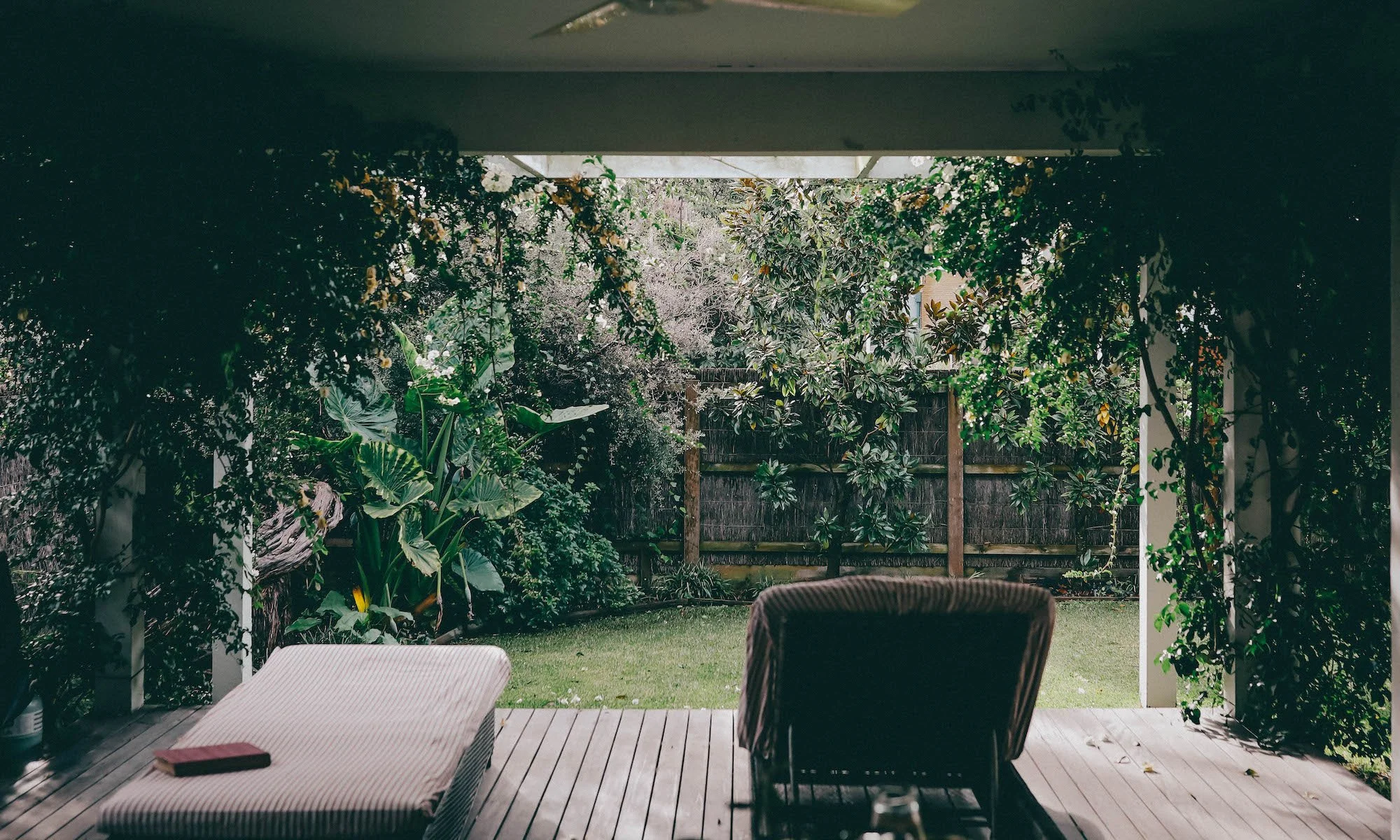
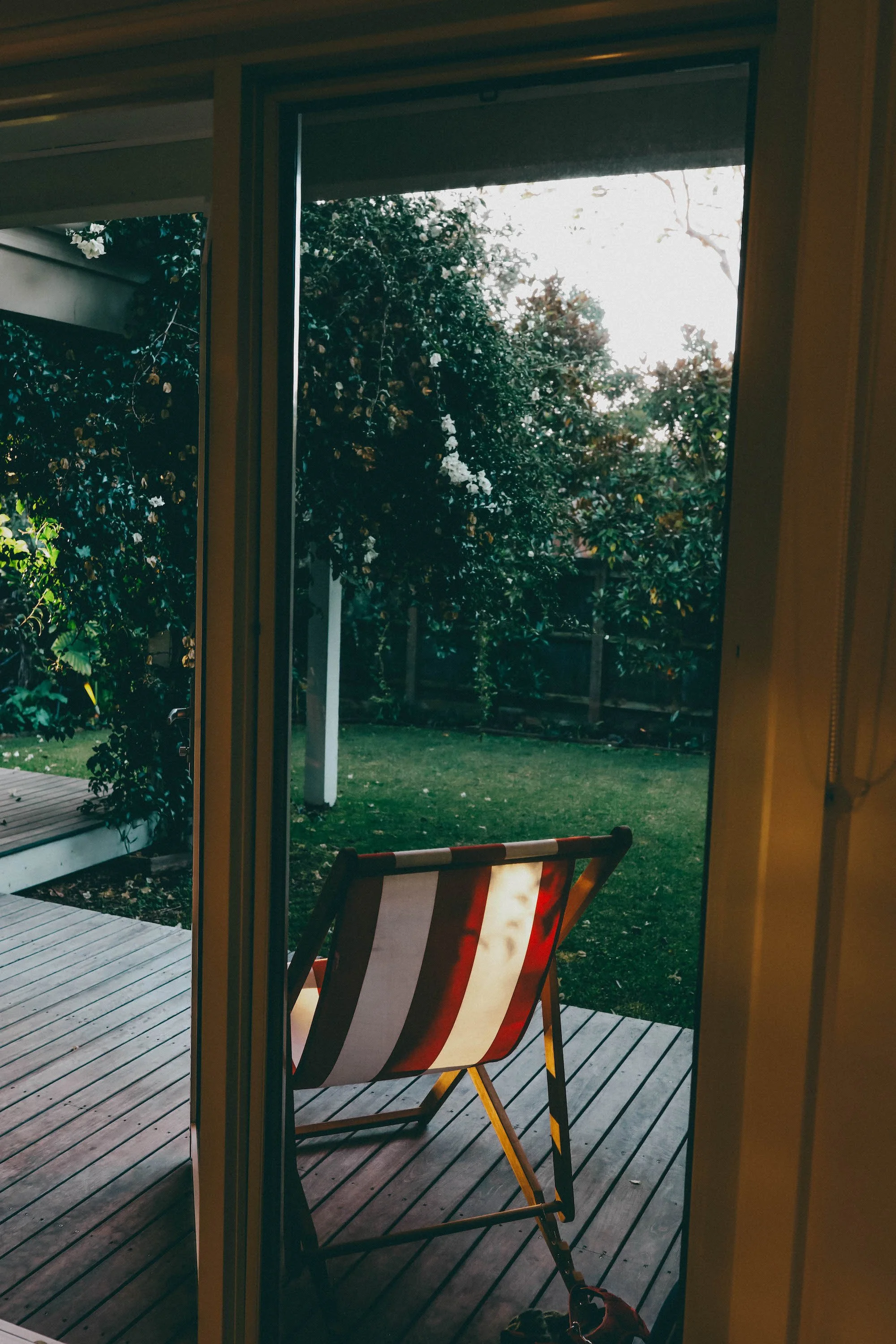
At Verandah, winter has its own rhythm. The bay is at the end of the street. The firewood is waiting. There are blankets on the daybeds and, often, the beach almost entirely to yourself.
It isn't summer on Phillip Island with colder weather.
It is another side of the island altogether.
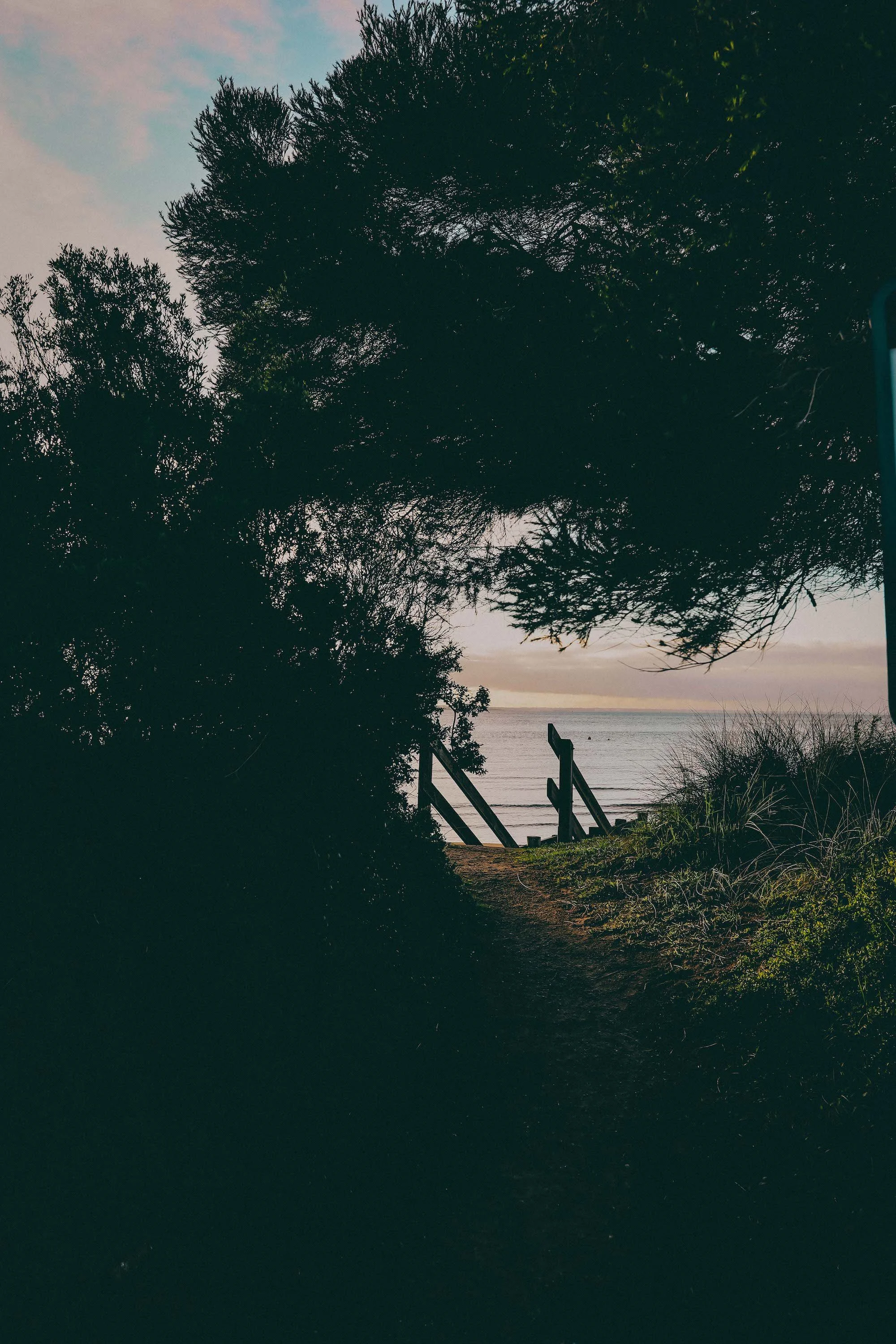
photography — @mandycouzens
The fog
Some mornings the island wakes under fog. Not a disappointment — a gift.
The fog does something to scale. The paddocks become suggestions of themselves. The coast disappears and reappears as you move toward it. The Nobbies in fog — the basalt headland at the island's western tip — is extraordinary in a way that blue-sky versions of the same view rarely are. You feel the edge of things. The particular sensation of standing at the end of something, with the sea invisible but loud below you.
The fog burns off by mid-morning on the better days. And then the winter light comes — lower and cooler and more complex than anything summer can produce. The shadows are longer. The colours are more particular: olive green, slate blue, the specific gold of late afternoon on the ti-tree. Photographers know this light. So do painters. So do people who pay attention.
This is the island's winter palette. It is worth travelling for.
The sea.
Bass Strait in winter is not the same body of water as Bass Strait in summer. In summer it is backdrop — beautiful, benign, reliably photogenic. In winter it is a presence. The south coast in a winter swell — Smiths Beach, Woolamai, the cliffs at Cape Woolamai with the waves breaking far below — is wild in a way that demands your attention. You do not scroll your phone at the edge of Cape Woolamai in a winter westerly. You stand there, and you feel it, and something in the chest loosens.
The sea air in winter has a different quality too. Cleaner, somehow. More demanding. You come back from a morning on the south coast with salt on your face and the smell of it in your jacket and a particular kind of clarity that is difficult to produce any other way.
The whales.
Between June and September, humpback whales migrate through Bass Strait. Most people who visit Phillip Island in winter don't know this. They know about the penguins — that part is well understood — but not the whales. And yet on a clear winter day at the Nobbies, standing on the boardwalk with binoculars and patience, you may see a blow of white spray against the grey sea. A dark curve. The impossible slowness of something enormous moving through cold water.
It is not guaranteed. The sea does not arrange itself around a schedule. But this is also what makes a sighting feel like something — you were watching, and then, without announcement, there. The whale did not know you were there and did not care. That indifference is part of what moves you.
Wildlife Coast Cruises also runs whale watching tours from the Cowes jetty through winter, for those who want to be at water level alongside them. Both experiences — clifftop and boat — stay with you differently. Both are worth having.
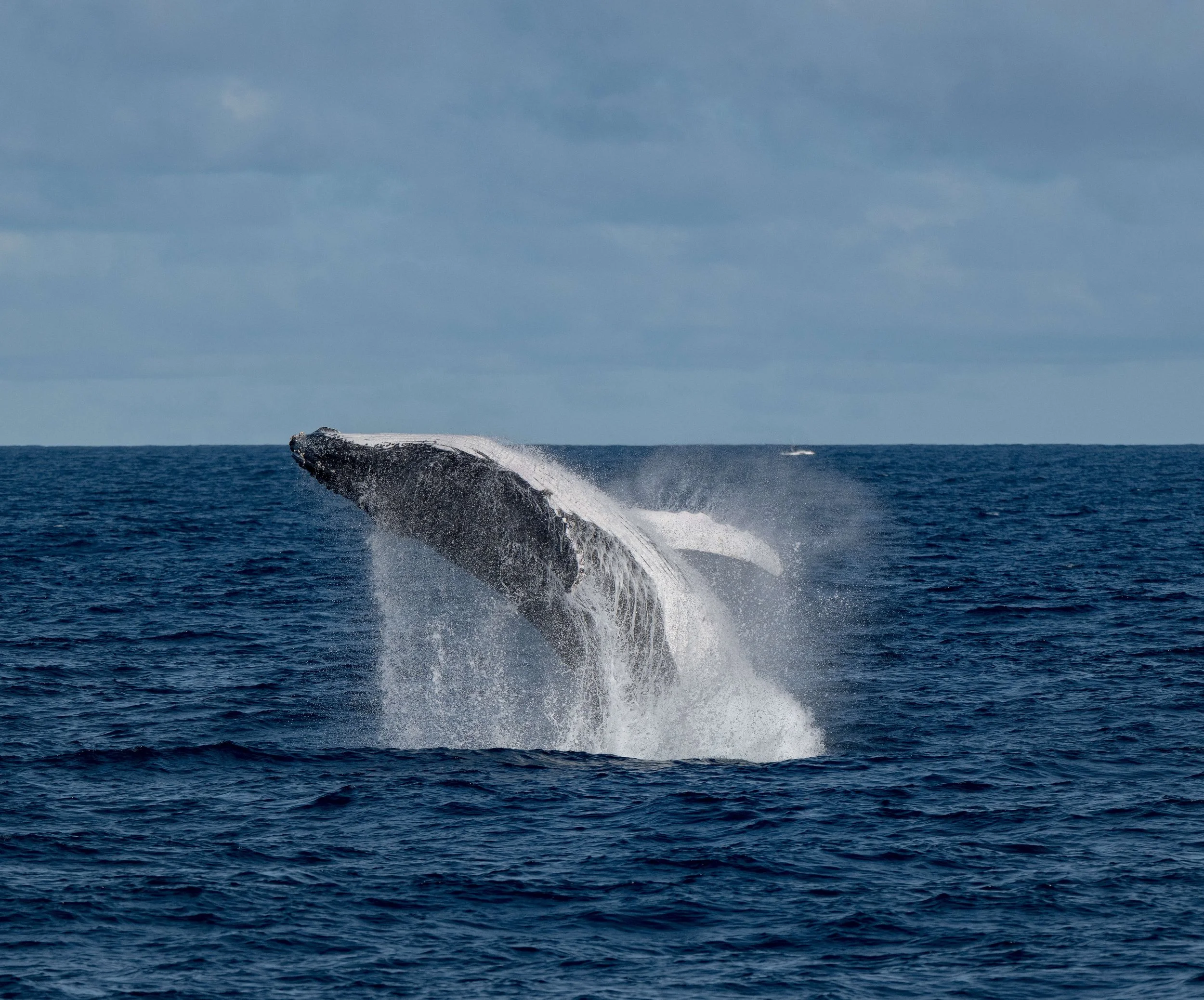
photography — @fotosbyian
The penguins, again, but differently
The penguin parade does not stop for winter.
Every night, without exception, the little penguins come home from the sea. In winter they come earlier — often just after five — and in smaller numbers, and the crowd is thin, and the cold and the dark and the particular stillness of a winter beach at dusk makes the whole thing feel more ancient than it does in summer. More earned.
There is something about watching a small creature emerge from the Southern Ocean on a cold night in July, making its unhurried way toward its burrow in the dunes, that is different to watching the same thing on a warm evening in January. Both are moving. The winter version is quieter. More serious. The kind of experience you find yourself thinking about for longer afterwards.
photography — @mandycouzens
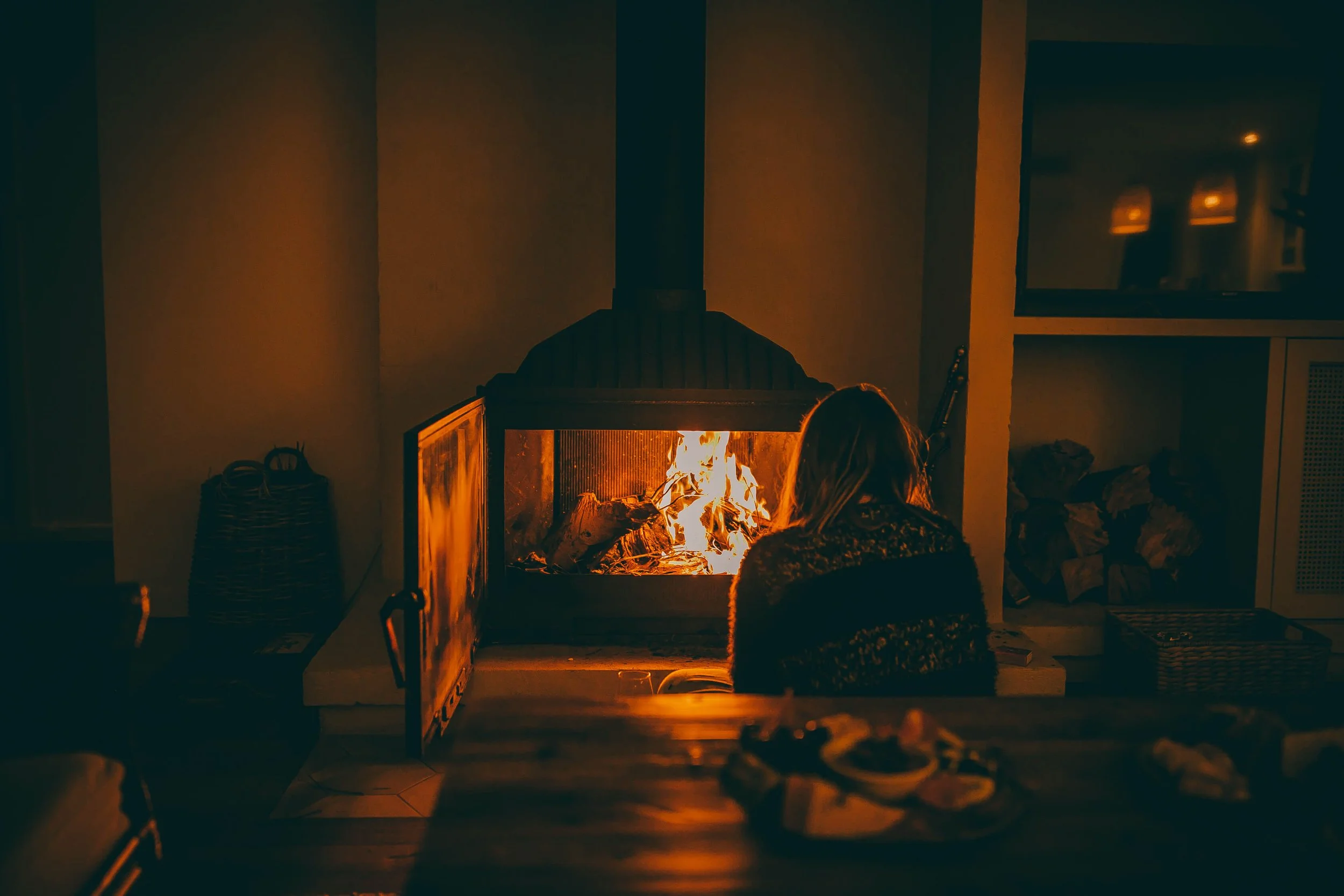
The fireplace.
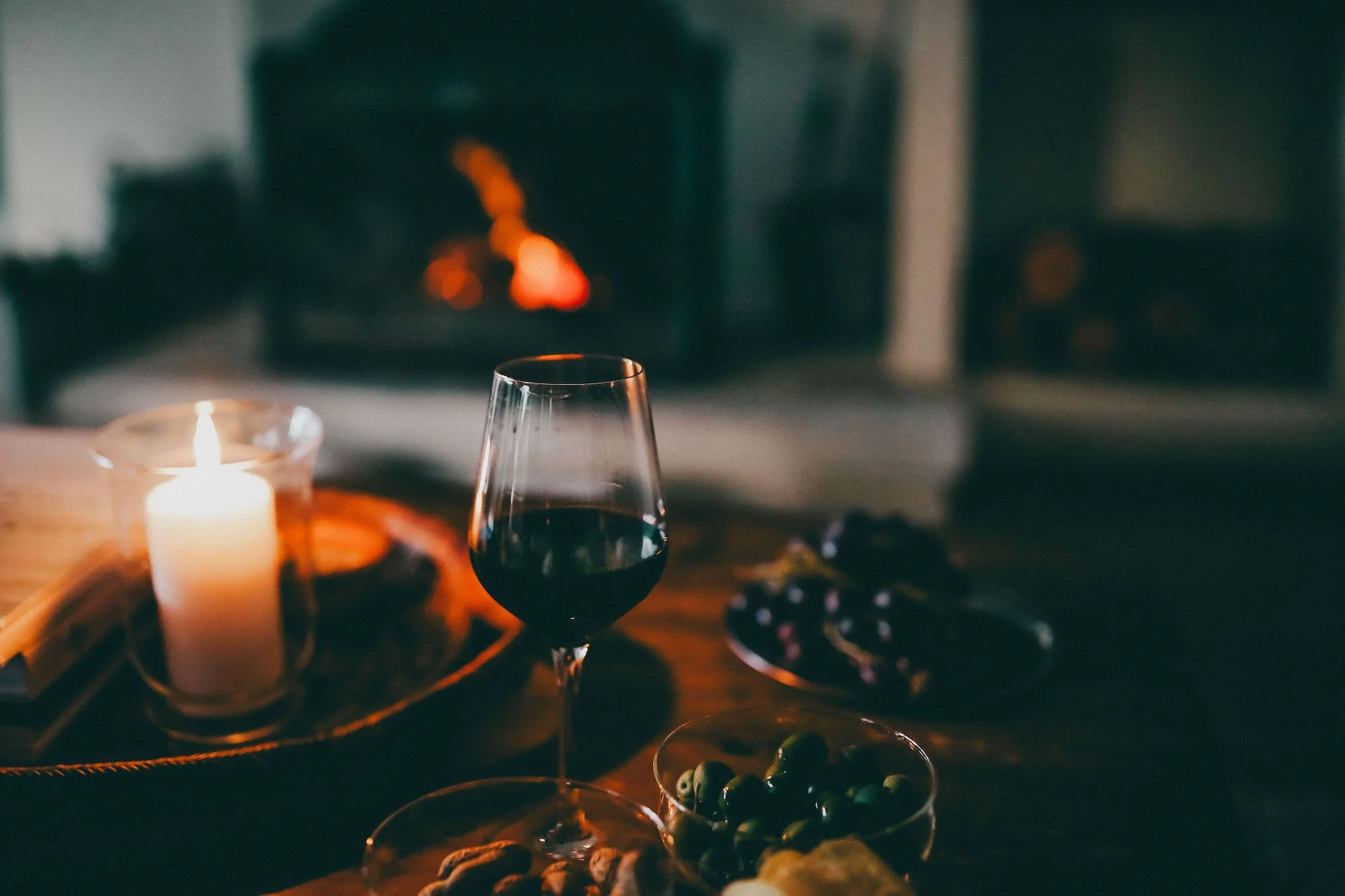
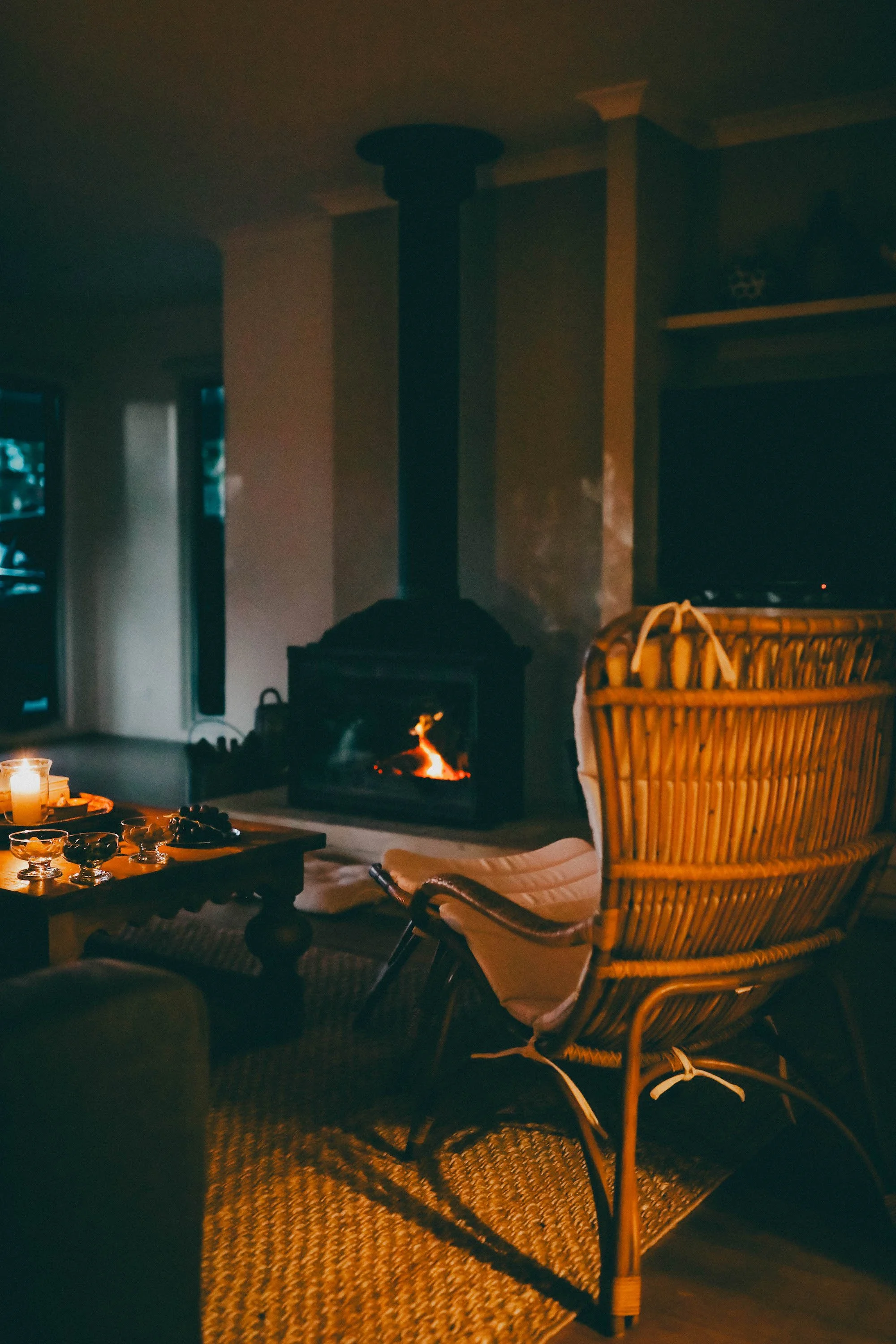
The fire is the centre of a winter stay. Everything else organises itself around it.
You go out into the cold — to the beach, to the Nobbies, to a morning at the winery or an afternoon at the Penguin Parade — and then you come back, and the fire is there, and the day becomes whole. Cold hands. Salt in the hair. The smell of the outside still on everything. And then warmth, and something on the stove, and the particular pleasure of an evening that has earned its comfort.
At Verandah, the cast iron fire is already set when you arrive. This matters. One of the small but significant pleasures of a well-considered stay is that someone has already thought about what you will need before you knew you needed it. The fire is that, in physical form.
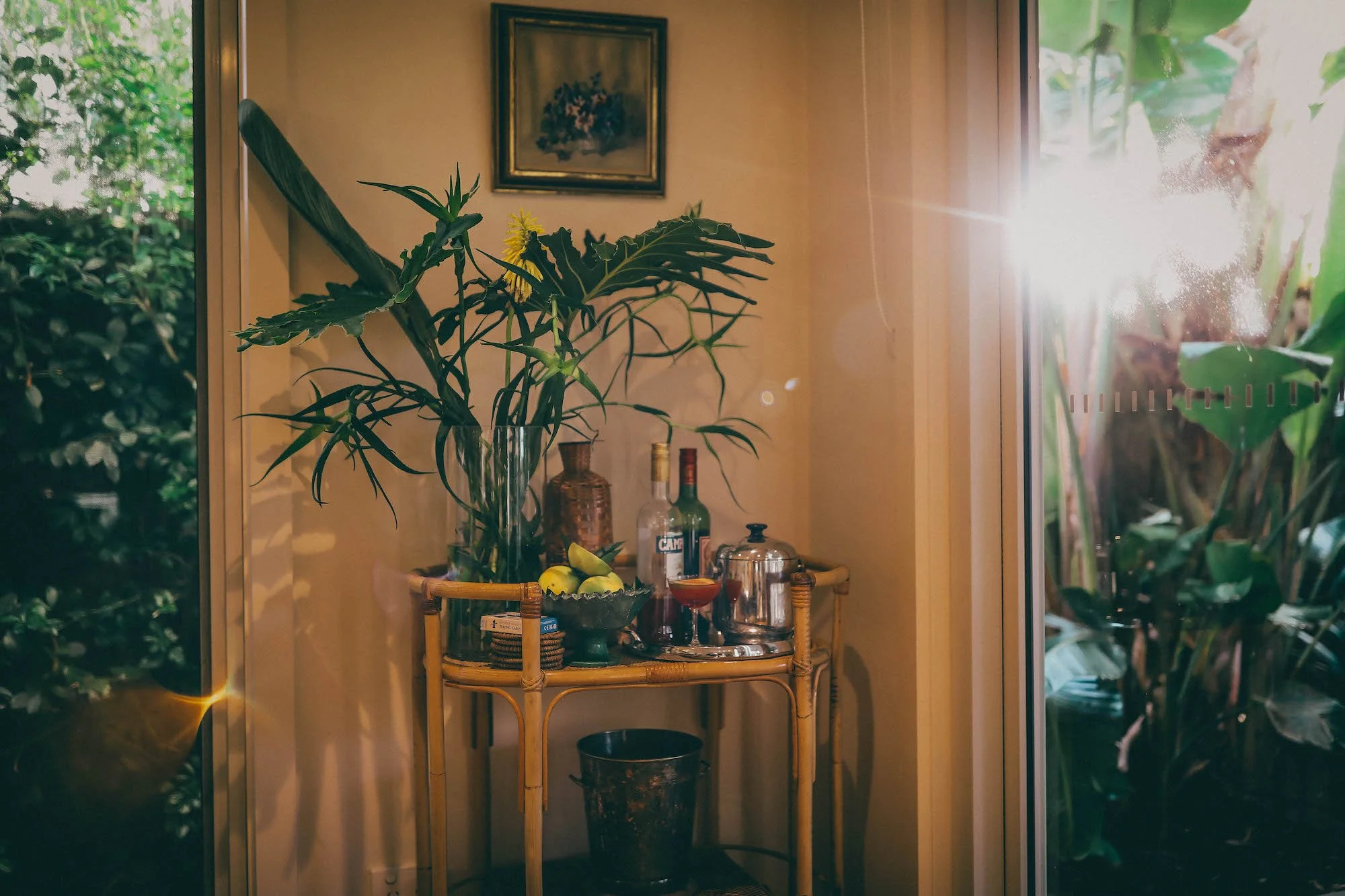
The evening organises itself around it. Red wine, eventually. Something that took a while to cook. A book that finally gets the hours it deserves.
photography — @mandycouzens
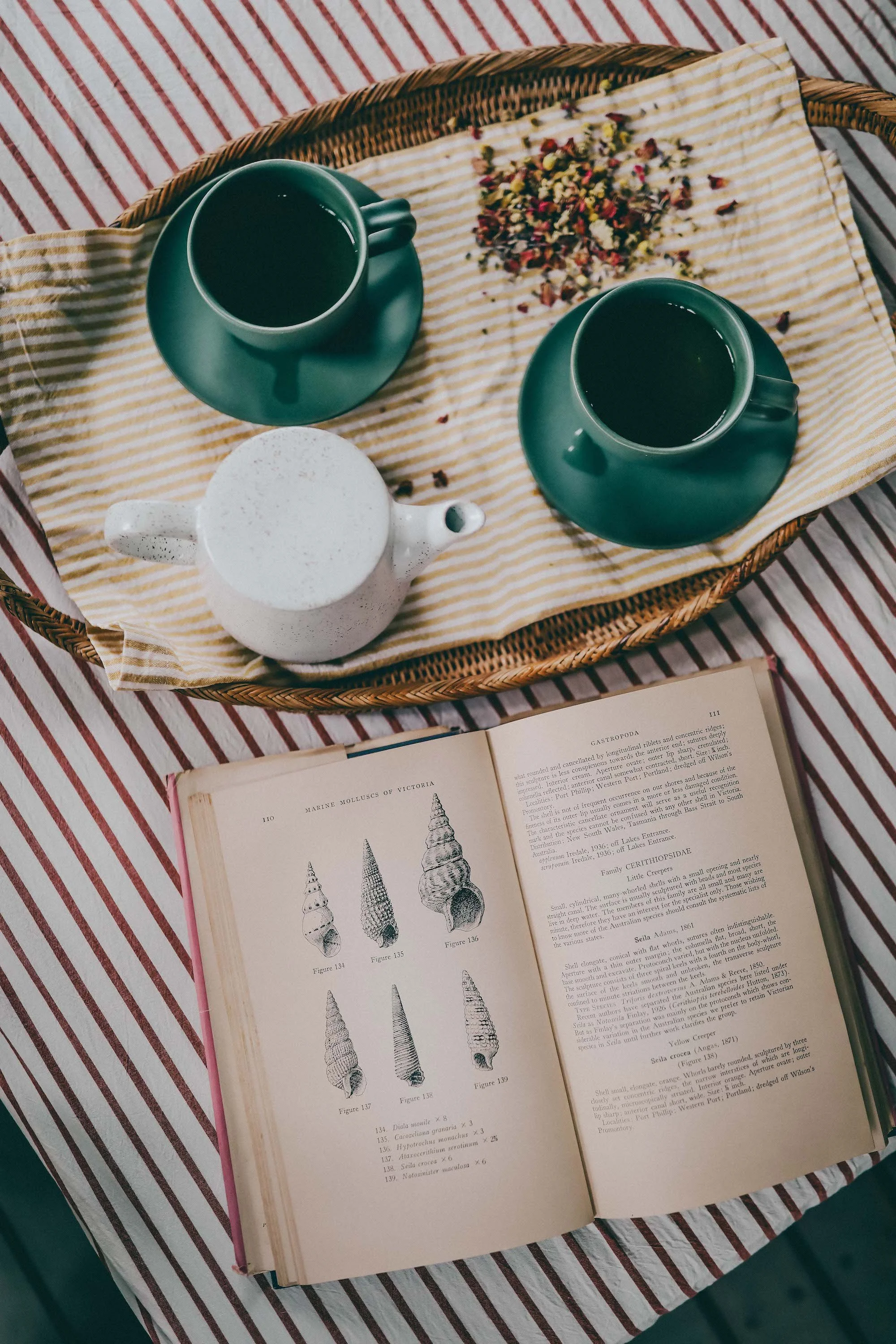
The books.
She has three on the go. She will finish whichever one demands her first.
Winter on Phillip Island is, among other things, the best reading conditions in Australia. The light outside is dramatic and changing and worth looking at. The light inside is warm and contained. The tension between them — the pull of the coast and the pull of the page — produces an ideal state of alert restfulness that is very difficult to manufacture elsewhere.
A weekend in winter with a good book and a fire and the sound of the sea somewhere beyond the window is not a retreat from the world. It is the world, seen at the right speed.
photography — @mandycouzens
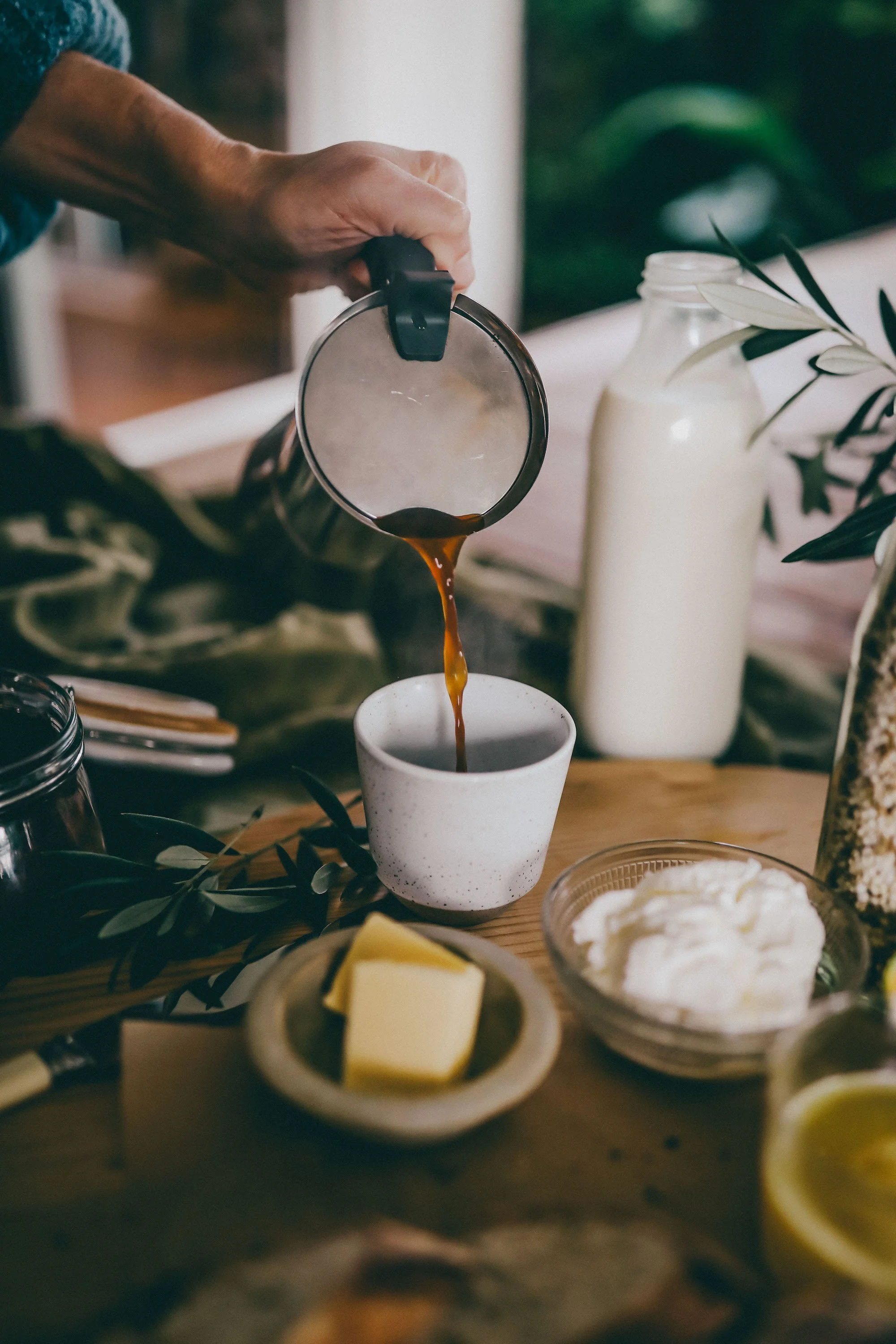
Late starts.
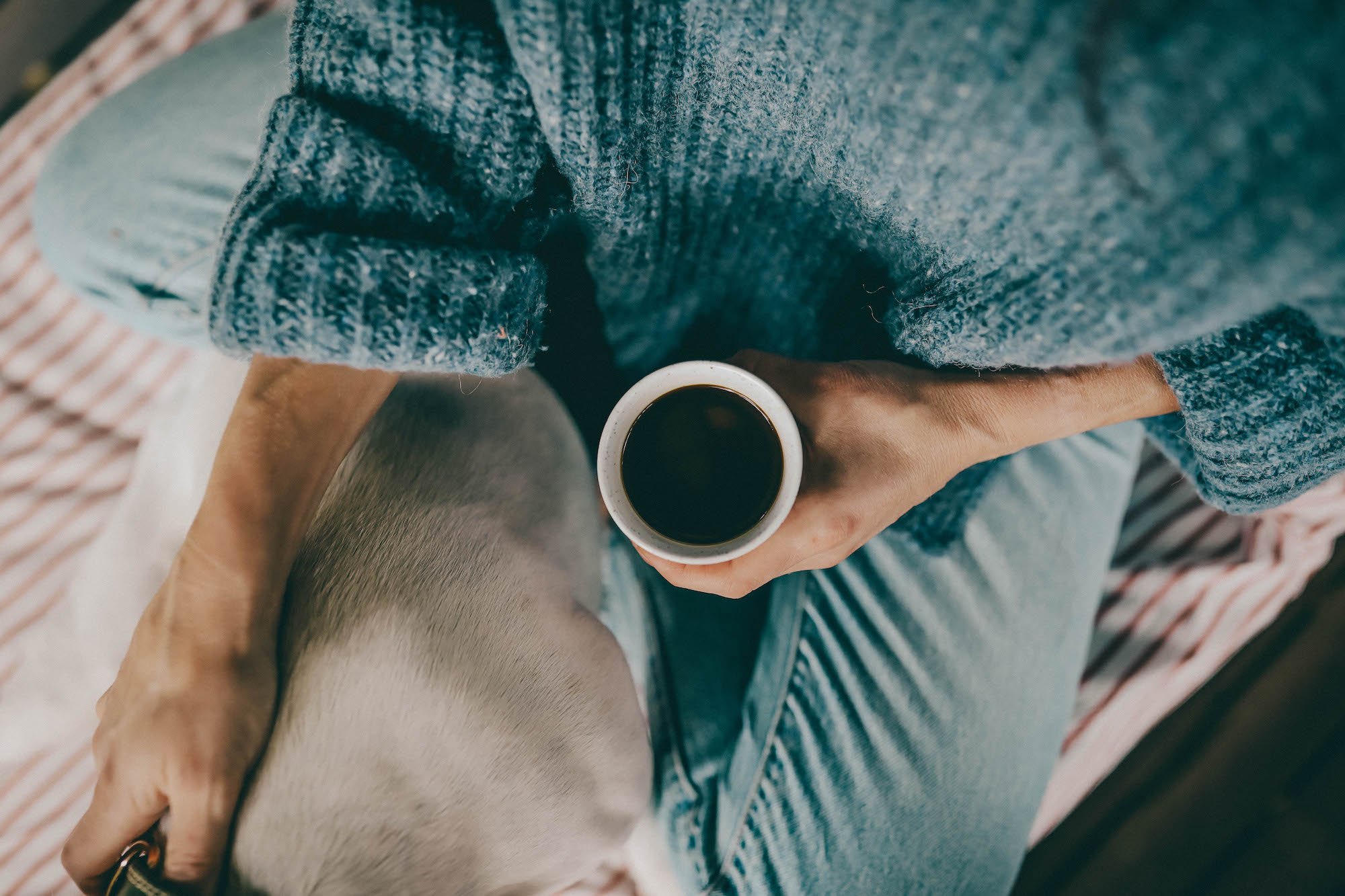
There is no alarm. There is no plan that begins before the coffee is ready.
One of the quiet gifts of a winter stay is permission to move slowly in the morning. The beach will still be there at ten. The fog will have lifted or it won't, and either is interesting. The day, when it begins, begins on your terms.
This is rarer than it sounds. Most of life runs against a schedule that was set by someone else. Winter on Phillip Island — midweek, in particular, when the island belongs almost entirely to those who sought it out deliberately — gives the schedule back to you.
The guests who discover midweek winter stays tend to return to them. It becomes a ritual. Something marked on the calendar in advance and looked forward to in a particular way. Not a holiday exactly. Something closer to a recalibration.
photography — @mandycouzens
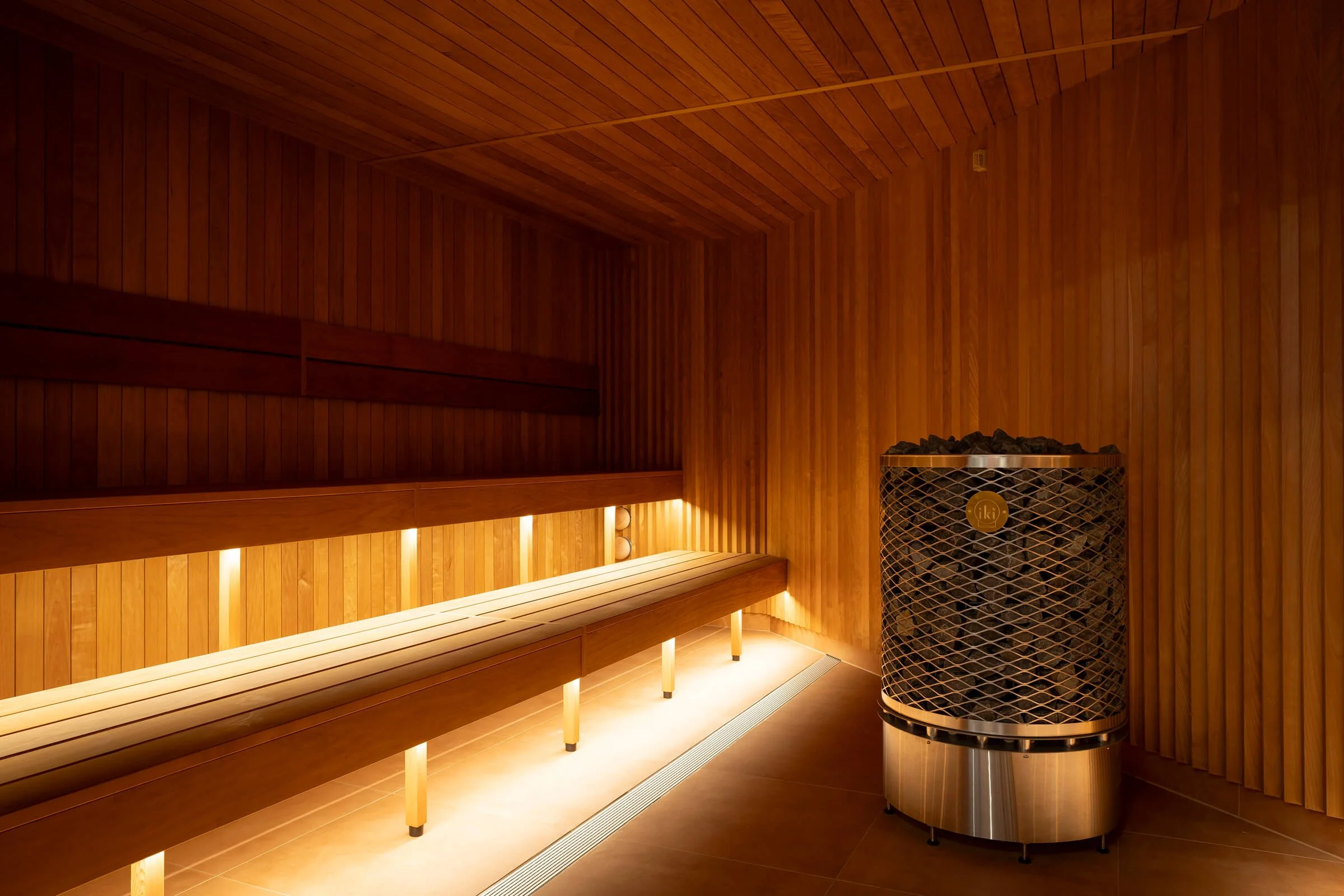
The sauna.
Winter on Phillip Island has quietly become one of the best places in Victoria to sweat.
Two experiences, both in Cowes, both walkable from Verandah. Different in character, the same in what they do to you.
Phillip Island Sauna sits on the Cowes Jetty — a wood-fired sauna built from a repurposed horse float, positioned at the edge of the water with the bay on both sides. You heat up, you step outside into the cold salt air, and the contrast does something immediate and real to the body. A sunrise session here, after an early morning walk, is the kind of thing people come back for. The sea does not care that you are cold. That is precisely the point.
Wellbeing Elements on Settlement Road is the longer, more considered version of the same idea. Magnesium pools heated to 37°C, cold plunge, eucalyptus steam room, traditional sauna — contrast therapy done properly, in a space designed for it. An afternoon here, between a morning on the south coast and an evening at the Penguin Parade, restructures the day in a way that nothing else quite does. You arrive back at Verandah loose-limbed and quiet in the best possible way.
Both are a short walk from the house. Neither requires a plan.
photography — @mandycouzens
How to do it.
Stay at least three nights. One day is not enough to settle. Two days and you begin to find your rhythm. Three days and the island reveals things it keeps back from shorter visits — the best beach, the right café, the evening that nobody planned that becomes the one you talk about longest.
Go to the south coast. The north coast and Cowes are sheltered and gentle and lovely. The south coast in winter is where the island becomes dramatic. Smiths Beach. Cape Woolamai. The Nobbies. These are the version of Phillip Island that earns a place in the memory.
Don't fill every hour. The temptation is to plan against the cold, to schedule your way through a winter stay as though the weather is a problem to be solved. It isn't. A morning with nowhere to be, watching the light move across the water from the verandah, is the point.
Come for the whales. June through August. The Nobbies, clear day, binoculars, patience. Even one sighting changes what the trip means.

photography — @mandycouzens
The island in winter. Fewer people. Better light. Whales in the strait. Penguins in the dark. A fire already set. The south coast doing what it does when nobody is watching.
It is, genuinely, the best time to be here. Midweek winter rates at Verandah from $550 per night. Check availability. The fire is already set.
photography — @mandycouzens
Stay for winter
Three nights, at least. Verandah is a beach house for slow starts, a fire already lit, and a bay that's yours most mornings.
Stay at Verandah